How to make a perfect pour over coffee
Pour Over Coffee Perfect Grind Bloom Technique: Complete Mastery Guide 2025
Learning the pour over coffee perfect grind bloom technique transforms your daily coffee ritual from ordinary to extraordinary. This comprehensive method combines precise grinding, proper blooming, and controlled pouring to extract maximum flavor from your coffee beans. Whether you’re a beginner or looking to refine your skills, mastering this technique will revolutionize your morning brew.
Table of Contents
- Why Pour Over Coffee Perfect Grind Bloom Technique Matters
- Step-by-Step Pour Over Coffee Perfect Grind Bloom Technique Guide
- Best Pour Over Coffee Perfect Grind Bloom Technique Equipment Options
- Pro Tips for Pour Over Coffee Perfect Grind Bloom Technique Mastery
- Common Mistakes to Avoid with Pour Over Technique
- Key Takeaways
- Frequently Asked Questions about Pour Over Coffee Perfect Grind Bloom Technique
- Conclusion
Why Pour Over Coffee Perfect Grind Bloom Technique Matters
The pour over coffee perfect grind bloom technique matters because it gives you complete control over every variable in the brewing process. Unlike automatic coffee makers, this method allows you to adjust water temperature, grind size, and extraction time to highlight specific flavor notes in your coffee. Professional baristas worldwide rely on these techniques to create consistently exceptional cups.
Coffee extraction is a delicate balance of chemistry and timing. When you pour hot water over coffee grounds, you’re dissolving the soluble compounds that create flavor, aroma, and body in your cup. The grind size determines how quickly water flows through the coffee bed, while blooming allows trapped CO2 to escape, ensuring even saturation. Without proper technique, you’ll either under-extract (resulting in sour, weak coffee) or over-extract (creating bitter, harsh flavors).
The bloom phase is particularly crucial because freshly roasted coffee contains significant amounts of carbon dioxide. When hot water first contacts the grounds, this CO2 creates bubbles that can prevent proper water penetration. By allowing the coffee to bloom for 30-45 seconds, you release this gas and create an even foundation for the remaining extraction. This single step can dramatically improve the clarity and balance of your final cup.
Temperature control is another essential element that separates good pour over coffee from great pour over coffee. Water between 195-205°F (90-96°C) extracts optimal flavors without scorching delicate compounds. Too hot, and you’ll pull harsh tannins and bitter notes. Too cool, and you’ll miss the bright acids and complex aromatics that make specialty coffee special. A quality gooseneck kettle with temperature control becomes invaluable for consistent results.

Step-by-Step Pour Over Coffee Perfect Grind Bloom Technique Guide
Begin your pour over coffee perfect grind bloom technique by heating water to 200°F (93°C) while measuring 25 grams of whole bean coffee. Grind your coffee to a medium consistency, similar to coarse sea salt, just before brewing to preserve maximum freshness. Place a paper filter in your pour over dripper and rinse it with hot water to remove papery flavors and preheat your vessel.
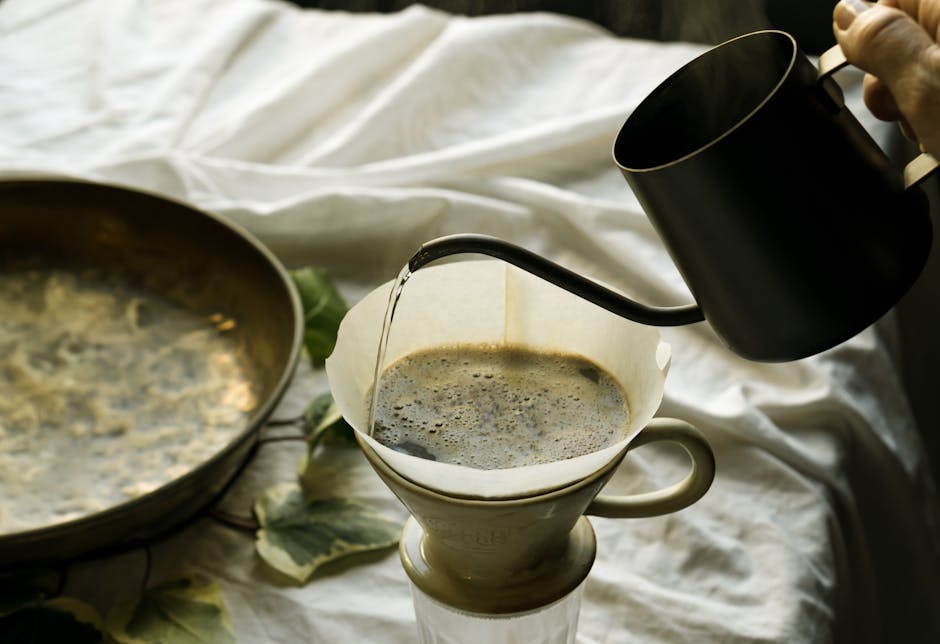
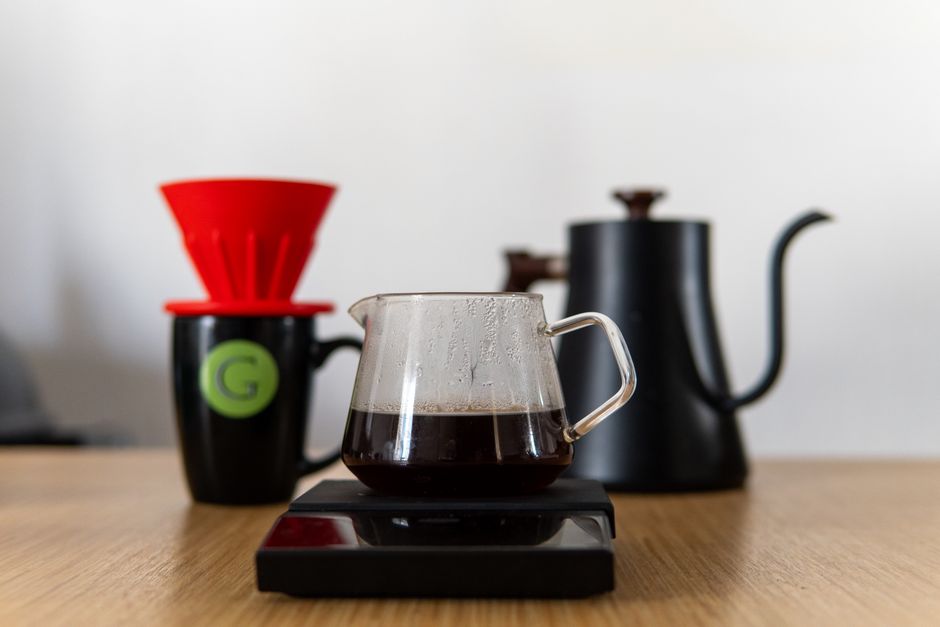
Add your ground coffee to the rinsed filter and create a small well in the center with your finger. This depression helps ensure even water distribution during the bloom phase. Place your dripper on a scale and zero the weight, then start your timer as you begin the first pour. Pour twice the weight of water as coffee (50g water for 25g coffee) in a slow, spiral motion, starting from the center and working outward.
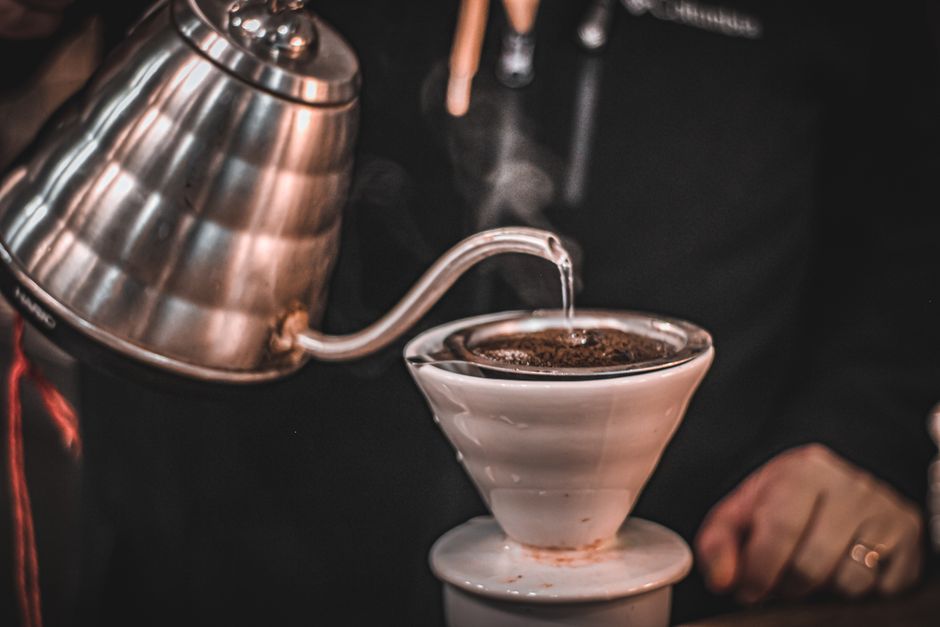
Watch as the coffee bed rises and bubbles form on the surface – this is the bloom releasing trapped CO2. Allow this bloom to continue for 30-45 seconds without adding more water. The coffee should form a dome shape with small bubbles breaking on the surface, indicating fresh, properly degassed coffee. If you see minimal bubbling, your coffee may be stale and won’t extract optimally.
After the bloom timer completes, continue pouring water in slow, concentric circles, maintaining a steady flow rate. Pour to 150g total water weight by the 1:15 mark, then pause for 15 seconds. Complete your final pour to 400g total water by the 2:00 mark, ensuring the water level never drops completely below the coffee bed. The entire brew should finish dripping by 4:00-4:30 minutes for optimal extraction.

Best Pour Over Coffee Perfect Grind Bloom Technique Equipment Options
Selecting the right equipment significantly impacts your pour over coffee perfect grind bloom technique success. The Hario V60 remains the gold standard for pour over brewing, featuring spiral ridges that promote even extraction and a large drainage hole for flow rate control. Its 60-degree angle creates optimal bed geometry for consistent brewing, while the ceramic material provides excellent heat retention throughout the process.
The Chemex offers a different approach with its thick paper filters and elegant hourglass design. These filters remove more oils and sediment, producing a cleaner, brighter cup that highlights acidic and floral notes. The wider brewing bed requires slightly different pouring techniques, but the results showcase coffee clarity like no other method. Chemex brewing works particularly well with light and medium roast single-origin coffees.
For those seeking more forgiving brewing, the Kalita Wave features a flat bottom design with three drainage holes. This configuration provides more even extraction timing and reduces the impact of pouring technique inconsistencies. The Wave filters have accordion-style walls that minimize contact with the dripper, creating better insulation and more stable temperatures throughout brewing.
Your grinder choice is equally important as your dripper selection. Burr grinders create uniform particle sizes essential for even extraction, while blade grinders produce inconsistent grounds that lead to simultaneous over and under-extraction. The Baratza Encore offers excellent value for home brewers, delivering consistent medium grinds perfect for pour over brewing. For ultimate precision, the Fellow Ode focuses specifically on filter coffee grinding with exceptional clarity and minimal fines production.

Pro Tips for Pour Over Coffee Perfect Grind Bloom Technique Mastery
Mastering pour over coffee perfect grind bloom technique requires attention to details that separate good coffee from exceptional coffee. Always use freshly roasted beans within 2-4 weeks of the roast date, as coffee degasses over time and loses the CO2 necessary for proper blooming. Store your beans in an airtight container away from light and heat to preserve their peak flavor potential.
Water quality dramatically affects your final cup quality, often more than people realize. Use filtered water with balanced mineral content (150-300 ppm TDS) for optimal extraction. Distilled water lacks minerals needed for proper extraction, while hard water over-extracts and creates muddy, bitter flavors. Third Wave Water packets provide perfectly balanced minerals specifically designed for coffee brewing, ensuring consistent results regardless of your local water quality.
Develop a consistent pouring rhythm by practicing your spiral technique with just water before adding coffee. Your pour should take approximately 3-4 seconds per spiral, maintaining steady pressure throughout each circle. Keep your kettle close to the coffee bed to minimize agitation and maintain water temperature. The goal is gentle, even saturation rather than aggressive turbulence that can create channeling and uneven extraction.
Temperature consistency throughout the brew maintains optimal extraction rates from start to finish. Preheat your dripper, server, and cup with hot water before brewing. Cover your brewer with a lid or small plate during bloom and pause periods to retain heat. Monitor your water temperature with a thermometer until you develop the ability to judge proper temperature by sight and steam patterns.
Common Mistakes to Avoid with Pour Over Technique
The most common mistake in pour over brewing is rushing the process and pouring too aggressively. Fast, heavy pours create channels in the coffee bed, allowing water to flow around rather than through the grounds. This results in weak, under-extracted coffee despite using proper ratios and grind sizes. Instead, maintain a slow, steady pour that keeps the coffee bed level and evenly saturated throughout the brewing process.
Inconsistent grind size undermines even the best pouring technique by creating uneven extraction rates. Large particles under-extract while fine particles over-extract, leading to simultaneous sourness and bitterness in the same cup. Invest in a quality burr grinder and calibrate it properly for your chosen brewing method. Clean your grinder regularly to prevent oil buildup that can create off-flavors and inconsistent grinding performance.
Neglecting the bloom phase or cutting it short prevents proper CO2 release and even saturation. Some brewers pour too little water during bloom, failing to saturate all the grounds, while others pour too much, creating premature drainage. The ideal bloom uses exactly twice the coffee weight in water and lasts 30-45 seconds. Fresh coffee will create a pronounced dome with active bubbling, while older coffee will show minimal reaction.
Water temperature extremes create extraction problems that no amount of technique can overcome. Boiling water scorches coffee and extracts harsh, bitter compounds, while cool water fails to extract desirable acids and aromatics. Use a thermometer or temperature-controlled kettle until you can judge proper temperature consistently. Let boiling water rest for 30-45 seconds before brewing if you don’t have temperature control equipment.
Key Takeaways
- Master the bloom phase with 2:1 water-to-coffee ratio and 30-45 second timing for optimal CO2 release
- Maintain consistent water temperature between 195-205°F throughout the entire brewing process
- Use medium grind size similar to coarse sea salt for balanced extraction timing
- Pour in slow, concentric spirals to ensure even saturation and prevent channeling
- Complete total brew time should be 4:00-4:30 minutes for optimal flavor extraction
Frequently Asked Questions about Pour Over Coffee Perfect Grind Bloom Technique
Q: What is the best pour over coffee perfect grind bloom technique for beginners?
A: Start with a 1:16 coffee-to-water ratio (25g coffee to 400g water) and focus on consistent, slow pouring. Begin with the bloom phase using 50g water for 30-45 seconds, then pour in three stages to reach your final weight. Practice your pouring technique with just water first to develop muscle memory and consistent timing.
Q: How do I know if my pour over coffee perfect grind bloom technique is working properly?
A: A successful bloom creates a dome-shaped coffee bed with active bubbling on the surface. Fresh coffee will puff up noticeably and release aromatic gases. If you see minimal reaction, your coffee may be too old or your water temperature too low. The final cup should taste balanced without excessive sourness or bitterness.
Q: Why does my pour over coffee taste bitter even with proper technique?
A: Bitter coffee typically results from over-extraction caused by too fine a grind, water that’s too hot, or brewing time that’s too long. Try coarsening your grind size first, as this is the most common culprit. Also ensure your water temperature stays below 205°F and your total brew time doesn’t exceed 5 minutes.
Q: Can I use pre-ground coffee for pour over brewing?
A: While fresh-ground coffee produces superior results, you can use pre-ground coffee if it’s recently ground and stored properly. Pre-ground coffee loses CO2 quickly, so you may see less dramatic blooming. Adjust your brewing parameters accordingly and consider shortening bloom time to 15-30 seconds for older pre-ground coffee.
Q: What’s the ideal coffee-to-water ratio for pour over brewing?
A: The standard ratio is 1:16 (1 gram coffee to 16 grams water), but you can adjust between 1:15 and 1:17 based on your taste preferences. Stronger ratios like 1:15 work well with lighter roasts, while 1:17 can balance darker roasts. Start with 1:16 and adjust gradually until you find your perfect strength.
Conclusion
Mastering the pour over coffee perfect grind bloom technique elevates your daily coffee experience from routine to ritual. With proper equipment, consistent technique, and attention to detail, you’ll consistently brew coffee that rivals your favorite specialty café. Remember that practice makes perfect – each cup teaches you something new about extraction, timing, and flavor development. Start implementing these techniques today and discover the incredible flavors waiting in your favorite coffee beans.
Recommended Products on Amazon
As an Amazon Associate I earn from qualifying purchases.