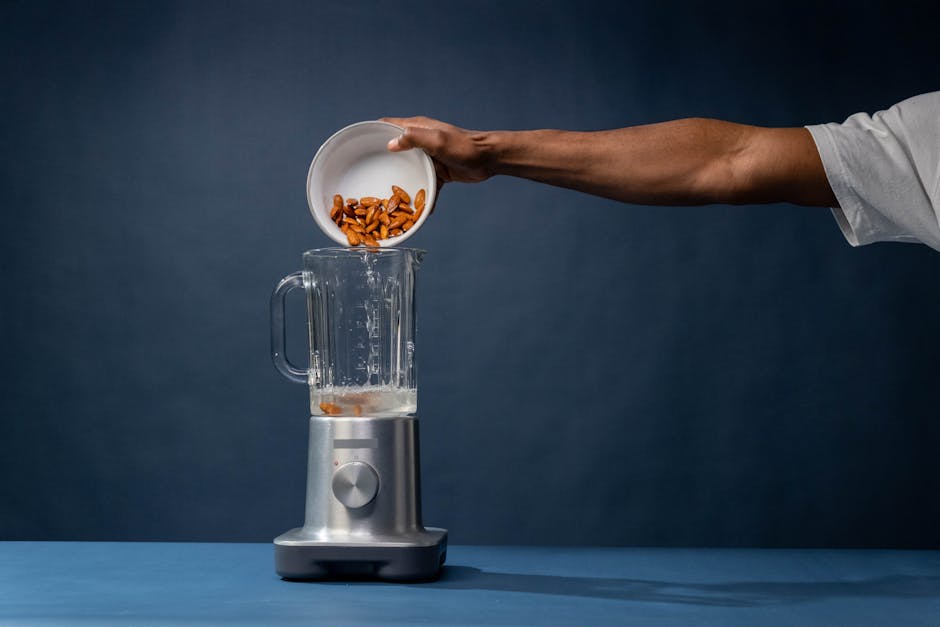
How to make soup in a blender safely
How to Make Soup in a Blender Safely: Complete Guide for Hot Lid Steam Vent Tips
Introduction
Learning how to make soup in a blender safely with proper hot lid steam vent tips is an essential skill for anyone who loves convenient, homemade meals. Blending hot soup is a game-changer for busy home cooks, but it requires careful attention to prevent burns and accidents. When you blend hot liquid, steam builds up inside the blender jar, creating pressure that can cause the lid to pop off unexpectedly and spray scalding soup everywhere.
Table of Contents
- Introduction
- Why Make Soup in a Blender Safely with Hot Lid Steam Vent Tips Matters
- Step-by-Step Guide to Make Soup in a Blender Safely with Hot Lid Steam Vent Tips
- Best Blenders for Safe Hot Soup Blending
- Pro Tips for Make Soup in a Blender Safely with Hot Lid Steam Vent Tips
- Common Mistakes to Avoid
- Key Takeaways
- Frequently Asked Questions about Make Soup in a Blender Safely with Hot Lid Steam Vent Tips
- Conclusion
This comprehensive guide will walk you through every step of blending hot soup safely, from cooling techniques to proper lid handling. Whether you’re making a silky butternut squash soup or a creamy tomato bisque, understanding the right methods ensures delicious results without kitchen hazards. By the end of this article, you’ll master the techniques that professional chefs use to blend hot soups confidently and securely.
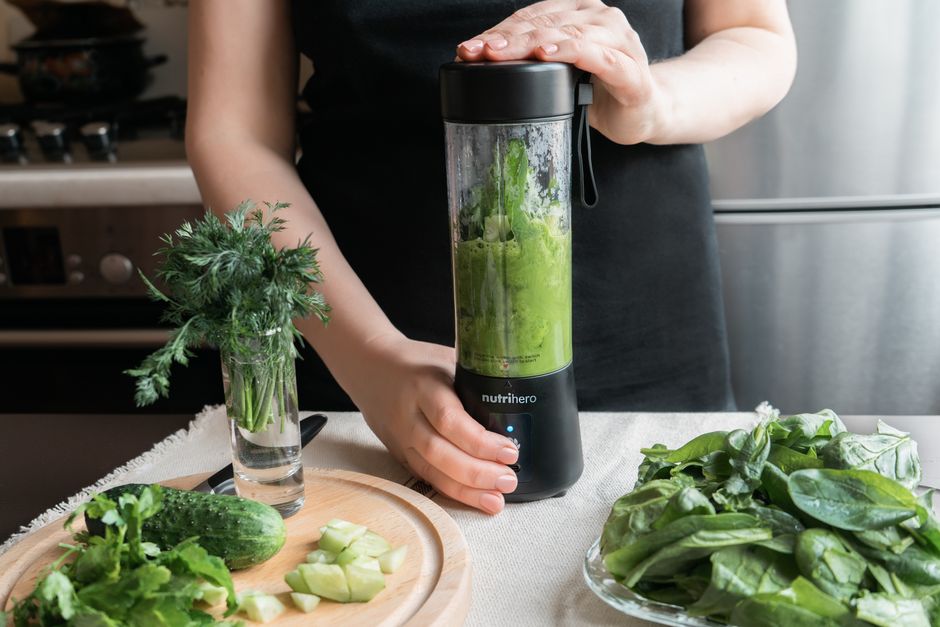
Why Make Soup in a Blender Safely with Hot Lid Steam Vent Tips Matters
Understanding how to make soup in a blender safely with proper hot lid steam vent tips is crucial for kitchen safety and cooking efficiency. Hot liquid creates unique challenges when blending because heat generates steam pressure inside a sealed container. This pressure buildup can be dangerous if not handled correctly, potentially causing serious burns or mess throughout your kitchen.
The importance of learning proper techniques goes beyond just safety—it also affects the quality of your soup. When you blend soup correctly, you achieve the perfect creamy consistency without overworking the ingredients. Improper blending techniques can result in lumpy soup, split sauces, or damaged blender motors from overuse.
Many home cooks make the mistake of blending hot soup directly from the pot without cooling it first. This creates excessive steam buildup and increases the risk of accidents significantly. By mastering the safe methods outlined in this guide, you’ll save time, prevent injuries, and create restaurant-quality soups in your own kitchen.
Professional chefs and culinary schools emphasize these safety protocols because they’ve seen the consequences of improper blending. Burns, damaged equipment, and wasted ingredients are preventable problems when you follow the right procedures. Taking just a few extra minutes to blend safely ensures consistent, delicious results every single time you prepare soup.

Step-by-Step Guide to Make Soup in a Blender Safely with Hot Lid Steam Vent Tips
Preparing Your Soup for Blending
Before you begin blending, allow your soup to cool slightly if it just came off the stove. The ideal temperature for blending is warm but not boiling—around 140-160°F (60-70°C). This temperature is hot enough to create a smooth texture but cool enough to minimize dangerous steam buildup.
Pour only half of your soup into the blender jar, never filling it more than halfway. Overfilling increases the risk of hot liquid splashing out during blending and reduces the space needed for steam to move safely within the container. This crucial step is often overlooked but makes an enormous difference in safety.
Setting Up Your Blender Correctly
Place the blender jar securely on the base unit, ensuring it’s properly aligned and locked into place. Remove the center cap from the lid—this is your steam vent and allows pressure to release gradually during blending. Never skip this step, as it’s the primary safety mechanism that prevents dangerous pressure buildup.
Position a kitchen towel loosely over the top of the blender lid, covering the steam vent opening. The towel serves as a splash guard while still allowing steam to escape safely through the vent. Make sure the towel isn’t so tight that it blocks airflow or creates additional pressure inside the jar.
The Blending Process
Start blending on the lowest speed setting for the first few seconds. This allows the soup to begin moving and prevents sudden pressure spikes that could cause the lid to jump. Gradually increase the speed as you feel comfortable and as the soup becomes more uniform in texture.
Blend in 30-second intervals, pausing to check progress and allow steam to dissipate naturally. During each pause, keep your hands away from the lid and allow the machine to settle completely. This intermittent approach is safer than continuous blending and gives you better control over the final texture.
Using Your Steam Vent Tip Properly
The steam vent in the blender lid is designed specifically to prevent pressure buildup during hot blending. Keep your face away from the lid during blending, as steam and small soup particles may escape through the vent opening. Never cover the steam vent completely, as this defeats its entire purpose and creates a dangerous pressure vessel.
If you notice the soup isn’t blending smoothly or steam seems to be building up too much, stop immediately and let it cool for a minute. The hissing sound near the steam vent indicates proper pressure release—this is exactly what should happen. If you hear nothing, check to ensure the vent opening is clear and unobstructed.
Finishing Your Blended Soup
Once your soup reaches the desired consistency, turn off the blender and allow it to rest for 10 seconds before removing the lid. This brief pause lets any remaining steam safely escape and pressure equalize. Then slowly and carefully remove the lid, lifting it away from your face and body.
Pour the blended soup into a serving bowl or pot. If you have more soup to blend, repeat the process with the remaining batch. Never pour soup from one blender jar to another while the blender is running, as this creates safety hazards and can damage the equipment.

Best Blenders for Safe Hot Soup Blending
High-Performance Blenders
High-performance blenders like Vitamix and Ninja models are specifically engineered to handle hot liquids safely. These blenders feature reinforced containers, powerful motors, and specifically designed lids with efficient steam vents. The durability of professional-grade blenders ensures they can handle repeated hot blending sessions without degradation.
Vitamix blenders are considered the gold standard for hot soup blending because of their engineering and safety features. The containers are made from high-quality Tritan plastic or glass, which can withstand both heat and pressure better than standard blender jars. Most Vitamix models include tamper tools that allow you to move ingredients safely while blending continues.
Immersion Blender Option
For those who prefer to blend soup directly in the pot, immersion blenders offer excellent safety advantages. These handheld devices allow you to blend soup without transferring it to a separate container, which significantly reduces the risk of spills or burns. Immersion blenders are also easier to control and require less cleanup than traditional blenders.
Immersion blenders work best for partially blended soups where you want to maintain some texture. They’re ideal for bean soups, chunky vegetable soups, or broth-based preparations. The main limitation is that they don’t create as smooth a consistency as full-sized blenders when you need puréed soup.
Mid-Range Quality Blenders
Mid-range blenders from brands like Oster and Hamilton Beach can handle hot soup blending when used carefully. These models are less expensive than professional-grade options but still feature heat-resistant jars and functional steam vents. They’re perfect for home cooks who blend soup occasionally rather than regularly.
When using a mid-range blender, exercise extra caution about filling levels and cooling times. These models have less powerful motors, so blending takes longer and generates more internal heat. Follow manufacturer guidelines carefully and never force the blender to work on very hot liquids.
Smart Features to Look For
Choose blenders with heat-resistant containers made from Tritan plastic or glass rather than standard polycarbonate. Tritan withstands higher temperatures and resists warping from repeated hot blending. Glass containers are even better for heat resistance, though heavier and more prone to breaking if dropped.
Look for blenders with well-designed steam vents that don’t get clogged easily. Some high-end models feature vents on the side of the lid rather than the center, which can be more effective at pressure release. The lid should fit securely but not so tightly that it creates an airtight seal.

Pro Tips for Make Soup in a Blender Safely with Hot Lid Steam Vent Tips
Temperature Management Techniques
The most effective way to ensure safe hot soup blending is to cool your soup to 120-140°F (49-60°C) before blending. This temperature range is warm enough to create beautiful, creamy texture through blending but cool enough to minimize dangerous steam. Use a food thermometer to check temperature accurately rather than guessing.
If you need to blend soup immediately after cooking, add room-temperature broth or milk to cool it down quickly. This technique reduces both temperature and steam while actually improving your soup’s consistency. The added liquid also increases volume, giving steam more space to expand safely within the blender jar.
Advanced Steam Vent Strategies
Place a clean kitchen towel over the steam vent opening while blending, but ensure the towel extends far enough to catch any splashes without blocking airflow. Some experienced cooks create a small opening in the towel that aligns with the vent, allowing controlled steam release while preventing soup splatter.
Never attempt to hold the lid in place while blending hot soup—this creates an artificial pressure vessel that’s extremely dangerous. Instead, use towels as splash guards while allowing the steam vent to function exactly as designed. The vent is your safety feature; respect its purpose and let it work.
Partial Blending Method
For soups that need only light blending, use the pulse function rather than continuous blending. Pulsing creates less internal heat and pressure while giving you precise control over texture. This method is perfect for soups where you want to maintain some chunky ingredients while smoothing the base liquid.
Start with two to three pulses, check the consistency, then add more pulses as needed. This approach prevents over-blending and eliminates the need to work with extremely hot soup. The resulting texture is often more interesting than fully puréed soup anyway.
Using the Tamper Tool Safely
Many quality blenders include tamper tools specifically designed for moving ingredients during blending. Only use the tamper while the blender is running on a low speed setting. Never insert anything into the blender jar while it’s operating at high speeds, and always keep hands and fingers clear of the blade area.
The tamper should only be used with the steam vent open and the lid sitting loosely on top of the blender. If you need to use the tamper, your blender speed is probably too low anyway—increase the speed rather than relying on the tamper tool.

Common Mistakes to Avoid
Filling the Blender Too Full
The most dangerous mistake home cooks make is filling the blender jar too much before blending. Hot liquid expands as it blends, creating steam that needs room to move safely. Never fill your blender more than half full, and for soups with cream or dairy ingredients, fill even less (about one-third full).
Overfilled blenders cause soup to splatter out of the steam vent, creating dangerous sprays of hot liquid. This damages your blender over time and creates serious burn hazards. Taking just 10 extra seconds to blend in two batches instead of one prevents these accidents entirely.
Blending Boiling Soup Directly
Never transfer boiling soup directly from the stove to your blender. The extreme heat creates excessive steam pressure that can force the lid open explosively. Always wait at least 5-10 minutes before blending, allowing the soup to cool to a safer temperature.
If you’re in a hurry, transfer the hot soup to a bowl and add room-temperature liquid to cool it faster. This actually improves your soup by creating better consistency without sacrificing any nutritional value or flavor. Patience with temperature is patience with safety.
Ignoring the Steam Vent Opening
Some cooks make the mistake of covering the steam vent with the lid cap while blending hot soup. This creates a sealed pressure vessel that can fail dangerously. The center cap must always be removed before blending hot liquids—it’s your safety release valve.
Always visually verify that your steam vent is clear and unobstructed before starting to blend. Dried soup or debris can clog the vent, preventing proper steam release. A quick inspection takes seconds and prevents potentially serious accidents.
Blending Thick or Dense Soups Without Adding Liquid
Very thick soups generate more heat during blending because the blades work harder against dense ingredients. If your soup is very thick, thin it slightly with broth or liquid before blending. This reduces blade friction, lowers internal temperature, and creates less steam pressure.
The thinner consistency also blends more evenly and completely. Trying to blend extremely thick soup often results in uneven texture and motor strain. Add liquid gradually until your soup reaches a consistency that blends smoothly and safely.
Key Takeaways
- Always remove the center cap from your blender lid to create a functional steam vent before blending hot soup
- Cool soup to 120-160°F (49-71°C) before blending to minimize dangerous steam buildup and pressure
- Fill your blender jar only halfway with hot soup, leaving space for steam to expand and escape safely
- Use a kitchen towel as a splash guard over the steam vent while blending, allowing airflow to continue
- Blend in 30-second intervals, pausing between bursts to allow pressure to equalize and steam to dissipate naturally
Frequently Asked Questions about Make Soup in a Blender Safely with Hot Lid Steam Vent Tips
Q: What is the best blender for making hot soup safely?
A: High-performance blenders like Vitamix models are considered the gold standard for hot soup blending due to their reinforced containers, powerful motors, and efficient steam vent design. However, mid-range blenders from reputable brands like Hamilton Beach or Oster can also handle hot soup when used carefully with proper cooling and partial filling techniques. The most important features are a heat-resistant jar, clear steam vent design, and secure lid mechanism.
Q: How do I use the steam vent tip properly to make soup in a blender safely?
A: The steam vent (the center cap opening in your blender lid) must always be removed before blending hot soup—this is your safety release valve. Place a clean kitchen towel loosely over the steam vent during blending to catch splashes while still allowing steam to escape. Never cover the vent completely, and always keep your face away from the vent opening during blending since hot steam may escape.
Q: Can I blend boiling hot soup directly from the stove?
A: No, you should never blend boiling soup directly from the stove. Always allow soup to cool to 120-160°F (49-71°C) before blending. Boiling temperatures create excessive steam pressure that can force the blender lid off explosively. If you’re in a hurry, add room-temperature broth or water to cool the soup faster before transferring it to your blender.
Q: How full should I fill my blender jar with hot soup?
A: Fill your blender jar only halfway with hot soup, leaving the upper half empty for steam expansion. For soups containing cream or other dairy products, fill even less—about one-third full. Overfilled blenders cause hot soup to splatter dangerously from the steam vent, creating burn hazards and damaging your appliance.
Q: What should I do if steam seems to be building up too much inside my blender?
A: If you notice excessive steam or hear concerning hissing sounds, stop the blender immediately and allow it to rest for 30-60 seconds with the lid loosely in place. This allows pressure to equalize safely. Some hissing near the steam vent is normal and expected, but if it seems excessive, your soup may be too hot or your jar too full. Cool the mixture slightly and reduce the fill level before continuing.
Conclusion
Learning how to make soup in a blender safely with proper hot lid steam vent tips transforms your home cooking experience. By following these proven techniques—cooling soup to appropriate temperatures, filling jars correctly, using steam vents properly, and blending in controlled intervals—you eliminate the hazards of hot soup blending while creating restaurant-quality results. Safety and delicious soup aren’t competing goals; they’re complementary outcomes of proper technique.
The investment of just a few minutes in safe practices prevents accidents, protects your equipment, and ensures consistent success every time you blend. Whether you’re making a quick weeknight soup or an elaborate holiday bisque, these methods apply universally. Start practicing these techniques today and enjoy the confidence that comes with knowing you’re blending hot soup correctly every single time.
Recommended Products on Amazon
As an Amazon Associate I earn from qualifying purchases.